
Small Batch
Manufacturing
Solutions
From 10-1000 units to bridge production, Xu Feng delivers cost-effective low-volume manufacturing with the same precision and quality as mass production.
What is Low-Volume Manufacturing?
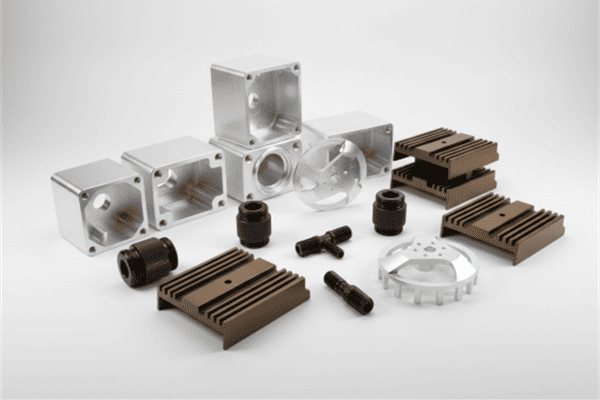
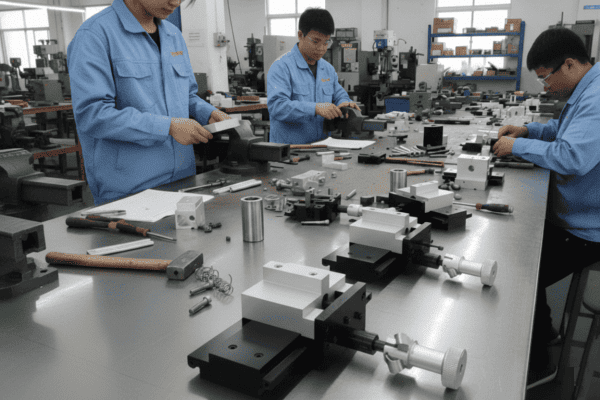
Low-volume manufacturing produces parts in quantities of 10 to 1000 units, bridging the gap between prototyping and mass production for market testing, seasonal products, or specialized applications.
Typical Volume Ranges:
Our Manufacturing Processes
Xu Feng offers comprehensive low-volume manufacturing across multiple processes, each optimized for small to medium production runs.
CNC Machining
Precision 3-5 axis CNC machining for complex metal parts. Ideal for functional prototypes and bridge production runs with tight tolerances.
-
Materials: Aluminum, Steel, Titanium, Brass
-
Volume Range: 10-5,000 units
-
Tolerance: ±0.005mm
Low-Volume Injection Molding
Soft tooling and aluminum molds for cost-effective plastic part production. Perfect for market testing and bridge production.
-
Materials: ABS, PC, PP, Nylon, TPU
-
Volume Range: 100-10,000 units
-
Mold Life: 1,000-50,000 shots
Sheet Metal Fabrication
Laser cutting, bending, and welding for enclosures and structural components. No tooling costs for simple geometries.
-
Materials: Steel, Stainless, Aluminum
-
Volume Range: 10-2,000 units
-
Thickness: 0.5-20mm
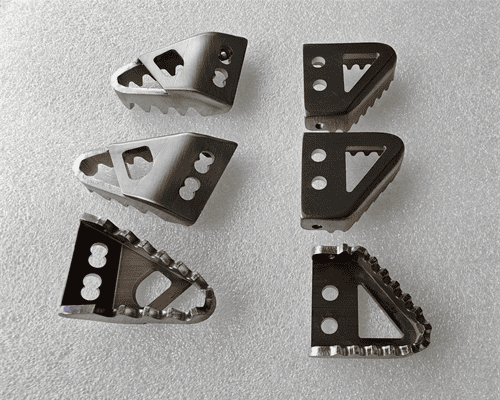
Soft Tool Stamping
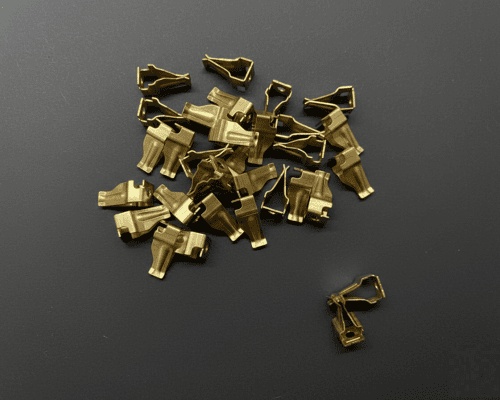
Soft tooling for metal stamping applications. Cost-effective solution for low-volume stamped parts and prototypes.
-
Materials: Steel, Stainless, Aluminum, Copper
-
Volume Range: 100-5,000 units
-
Thickness: 0.1-3mm
Production Readiness &
Cost Control Strategies
From initial tooling setup to optimized low-volume production strategies, we ensure quality consistency and cost efficiency at every scale.
Production Readiness
Complete manufacturing preparation
Tooling & Fixtures
Custom jigs, fixtures, and work-holding solutions designed for consistent part positioning and repeatability across production runs.
Inspection Tools
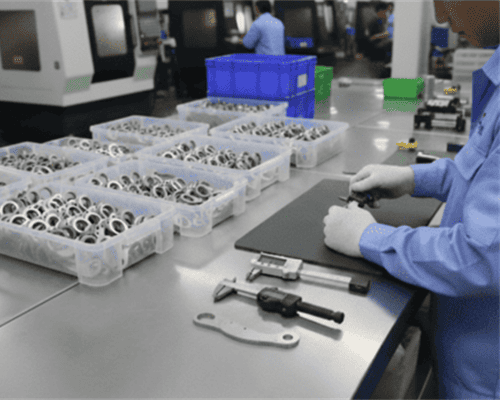
Dedicated gauges, CMM programs, and measurement protocols to ensure dimensional accuracy and quality standards are maintained.
First Article Confirmation
Complete dimensional inspection and approval process before production begins, with detailed inspection reports and customer sign-off.
Change Control
Systematic engineering change management process to track revisions, maintain version control, and ensure production consistency.
Cost Control for Low Volume
Smart strategies to optimize costs
Process Consolidation
Combine multiple operations in single setups and optimize machining sequences to reduce handling time and setup costs.
Standardized Blanks
Utilize common raw material sizes and standard stock shapes to reduce material waste and leverage bulk purchasing advantages.
Surface Treatment Batching
Group parts with similar finishing requirements to achieve economies of scale in anodizing, plating, and coating processes.
Packaging Optimization
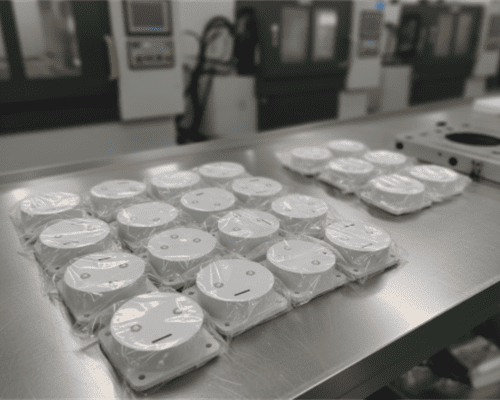
Smart packaging design and consolidation strategies to minimize shipping costs while ensuring part protection during transit.
Guaranteed On-Time Delivery
Our comprehensive supply chain management ensures reliable delivery through strategic material preparation, optimized capacity scheduling, and flexible expedited production mechanisms.
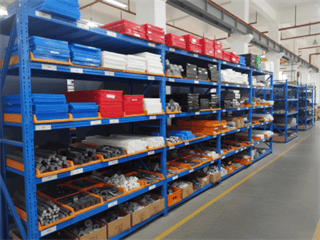
Strategic Material Preparation
Pre-stocked common materials and established supplier partnerships ensure immediate availability. Our inventory management system maintains optimal stock levels for frequently used materials.
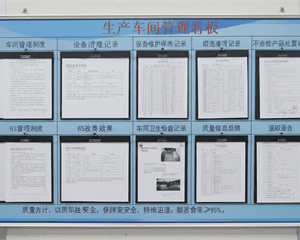
Optimized Capacity Scheduling
Advanced production planning across three specialized factories with real-time capacity monitoring. Load balancing ensures consistent delivery times even during peak demand periods.
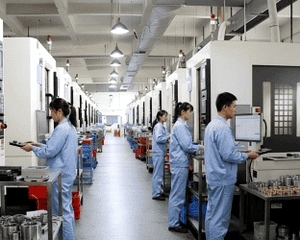
Expedited Production Mechanisms
Dedicated rush order protocols with priority queuing and extended shift operations. Emergency production lanes can reduce standard lead times by 50-70% when needed.
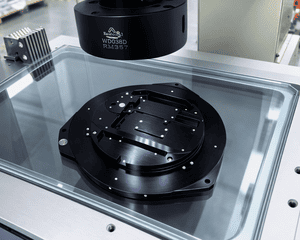
Integrated Quality Assurance
Streamlined inspection processes built into production flow prevent delays. Real-time quality monitoring ensures parts meet specifications without compromising delivery schedules.

Global Logistics Network
Established partnerships with premium carriers across 25+ countries. Multiple shipping options from economy to express with full tracking and insurance coverage.
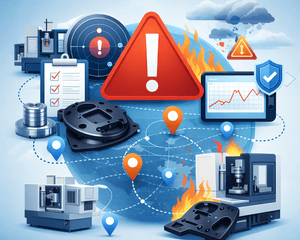
Proactive Risk Management
Contingency planning with backup suppliers and alternative production routes. Early warning systems monitor potential disruptions to maintain delivery commitments.
Low-Volume Production FAQ
Get answers to common questions about low-volume manufacturing, from quantity ranges to quality documentation.
What quantity range is considered low-volume production?
Low-volume production typically covers small batches from about 20 to 1,000 pcs, depending on part complexity, material, and process. It's ideal when you need stable repeatability without committing to full-scale mass production.
When should you choose low-volume production instead of prototyping?
Choose low-volume production when you need repeatable batches, controlled quality documentation, and consistent finishing/appearance--especially after your design is largely validated and you're preparing for product launch or bridge manufacturing.
Which manufacturing processes are best for low-volume parts?
The best process depends on geometry, tolerance, and material:
- CNC machining for tight tolerances and real-material parts
- Low-volume injection molding (rapid/soft tooling) for repeat plastic parts
- Sheet metal fabrication for enclosures, brackets, and formed components
- Stamping when a part repeats and the design supports die-based production
A good plan often combines methods across different components in the same program.
How do you keep consistency and repeatability across batches?
Consistency comes from building a production-ready system:
- • Stable datums and fixture strategy
- • Defined process route and controlled setups
- • In-process inspection on CTQ features
- • Clear finishing and packaging standards
This reduces drift and ensures parts remain interchangeable batch to batch.
What documents or reports can you provide for low-volume orders?
Depending on your requirements, you can request:
- • FAI (First Article Inspection)
- • Dimensional inspection reports for CTQ features
- • Material certification / CoC (where applicable)
- • Finishing certificates (where applicable)
These documents help you qualify parts quickly and reduce incoming inspection effort.
How do tolerances affect cost in low-volume production?
Overly tight tolerances--especially on non-critical features--can increase cost due to:
- • Longer machining time and more setups
- • Higher scrap risk and rework
- • More inspection time (CMM and measurement planning)
A practical tolerance strategy keeps tight control only where function requires it, improving cost and lead time.
Can low-volume production scale into higher-volume manufacturing later?
Yes. Low-volume is often used as bridge manufacturing. With the right DFM, fixture planning, and inspection approach, you can scale up smoothly--whether that means improved CNC efficiency, moving to tooling, or introducing stamping where appropriate.
What information do you need to quote a low-volume production project accurately?
To quote quickly and accurately, provide:
- • STEP/IGES + 2D drawing PDF (tolerances, GD&T, notes)
- • Quantity (first batch) + expected annual demand
- • Material and finishing requirements
- • CTQ dimensions and functional interfaces
- • Target lead time and shipping destination
This allows a reliable process plan and reduces quotation revisions.
Ready to Start Your
Low-Volume Project?
Upload your CAD files and get a detailed quote with DFM analysis within 24 hours. From prototypes to bridge production, we're here to help.