
3D Printing Materials
Compare materials for visual validation, structural testing, assembly verification, and functional prototypes. Choose the right material for your development stage.
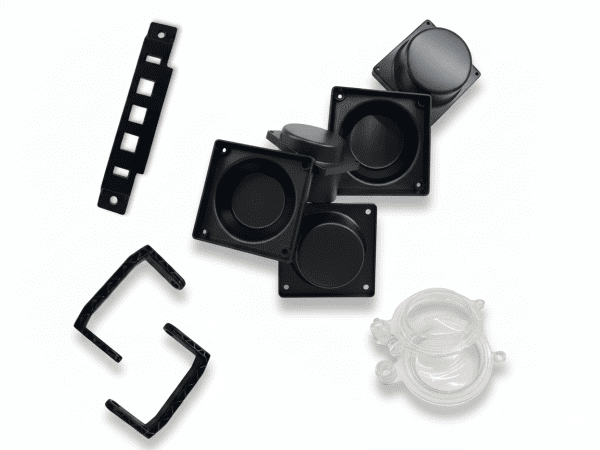
Materials Catalog
12 materials available
No materials match your filters
Choose 3D Printing Materials
by Development Stage
Match your material selection to your current development phase for optimal results and cost efficiency.
Concept Models
Early design visualization and stakeholder review
Focus on visual appearance and form factor validation. Cost-effective options for multiple design iterations.
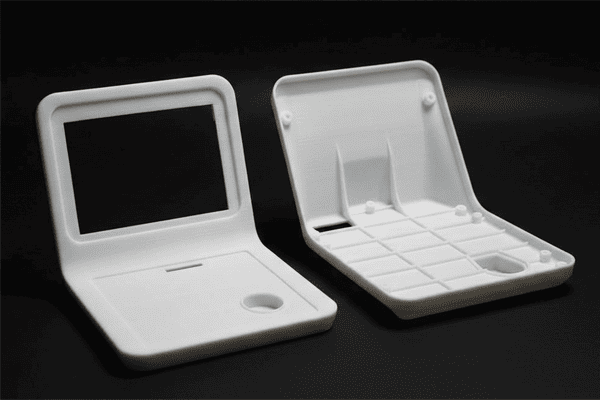
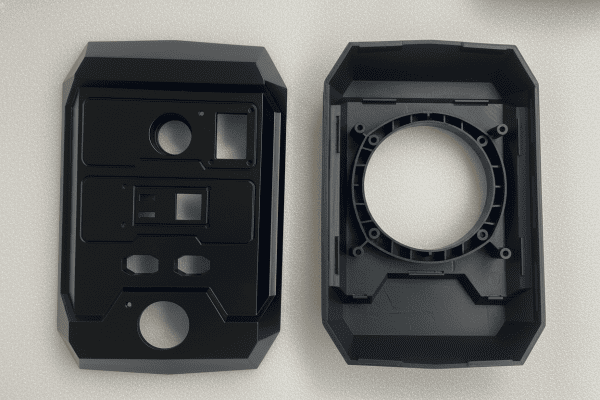
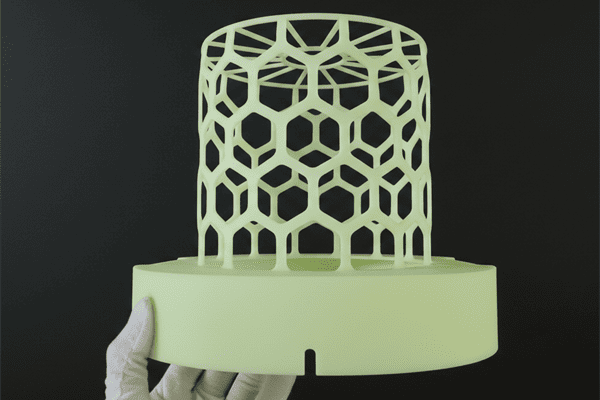
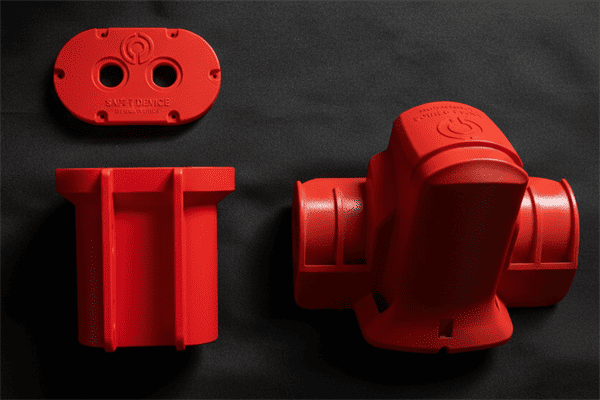
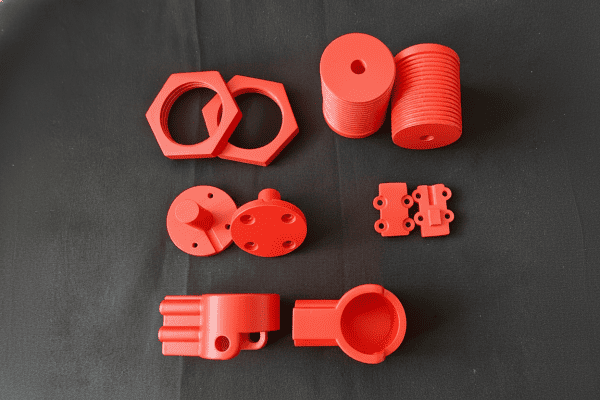
Common Questions About 3D Printing Materials
Expert answers to help you make informed material decisions for your prototyping projects.
Which 3D printing material is best for functional prototypes?
For functional prototypes, we recommend MJF PA12 or SLS Nylon. These materials offer production-like mechanical properties, excellent dimensional stability, and can handle stress testing. MJF PA12 provides slightly better surface finish and accuracy (±0.3mm), while SLS Nylon is more cost-effective for larger parts. Both materials are ideal for testing snap-fits, living hinges, and mechanical assemblies.
How do I choose between SLA resin and FDM for visual prototypes?
Choose SLA resin when surface quality is critical - for client presentations, photography, or detailed features smaller than 2mm. SLA provides mirror-smooth finishes and exceptional detail resolution. Choose FDM when you need larger parts (>200mm), faster turnaround, or mechanical durability for handling. FDM is also more cost-effective for multiple iterations and concept validation where perfect surface finish isn't required.
Can 3D printed parts be used for bridge production?
Yes, MJF PA12 and high-grade SLS materials can serve as bridge production parts for quantities up to several hundred units. These materials offer production-grade mechanical properties and consistent quality. This approach is particularly valuable when you need parts immediately while injection mold tooling is being manufactured (typically 6-12 weeks). We can help you evaluate if your design and volume requirements make 3D printing a viable bridge solution.
What post-processing options are available for 3D printed parts?
Post-processing options vary by material: SLA parts can be sanded, primed, and painted to achieve injection-molded appearance. SLS/MJF parts can be dyed (limited colors), media blasted for smoothness, or machined for critical features. FDM parts can be vapor smoothed (ABS), sanded, painted, or machined. We also offer thread tapping, inserts installation, and assembly services to deliver ready-to-test prototypes.
How do 3D printing material properties compare to production materials?
MJF PA12 closely matches injection molded Nylon properties (tensile strength ~50 MPa). SLS Nylon is similar but with slightly lower impact resistance. SLA resins are brittle compared to production plastics but excellent for dimensional validation. FDM ABS has comparable strength to injection molded ABS but with anisotropic properties due to layer adhesion. We provide detailed material data sheets to help you correlate prototype performance with production material expectations.
What file formats do you accept and what design guidelines should I follow?
We accept STL, STEP, STP, IGS, and native CAD files (SolidWorks, Fusion 360, etc.). For optimal results: maintain minimum wall thickness of 0.8mm for SLA, 1.2mm for SLS/MJF, and 1.6mm for FDM. Avoid overhangs >45° for FDM, design escape holes for powder removal in SLS parts, and consider support removal access for SLA. We provide free design review and optimization suggestions with every quote to ensure your parts print successfully and meet your functional requirements.
Related Resources
Explore more prototyping and manufacturing insights
CNC Machining vs 3D Printing: When to Use Each
Complete comparison of prototyping methods, costs, and material options for product development.
Read More →
Design for Manufacturing: 3D Printing Guidelines
Essential design rules, material selection, and cost optimization strategies for 3D printing parts.
Read More →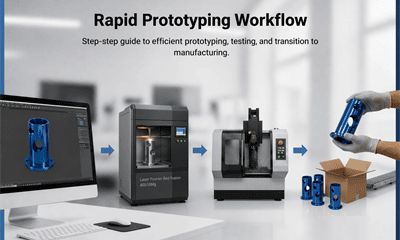
Rapid Prototyping Workflow: From CAD to Production
Step-by-step guide to efficient prototyping, testing, and transition to manufacturing.
Read More →
Let's Bring Your Design
to Manufacturing Reality
Upload your CAD files today and receive a detailed quote with DFM analysis within 24 hours. From Australia to Europe, we're your trusted manufacturing partner.
Need Help Choosing the Right
3D Printing Material?
Upload your 3D files and tell us about your application, quantity requirements, surface finish needs, and testing objectives. Our engineers will recommend the optimal material and provide a detailed quote within 24 hours.