
Metal Stamping
Materials
Compare materials suitable for stamping, bending, and progressive die production. Balance performance, formability, production capacity, and cost for your manufacturing needs.
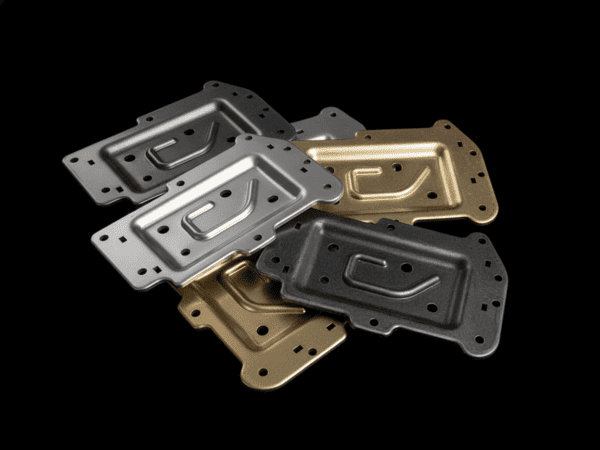
Showing 22 materials
No materials match your filters.
Choose Stamping Materials
by Application
Select the optimal material based on your specific application requirements and performance criteria
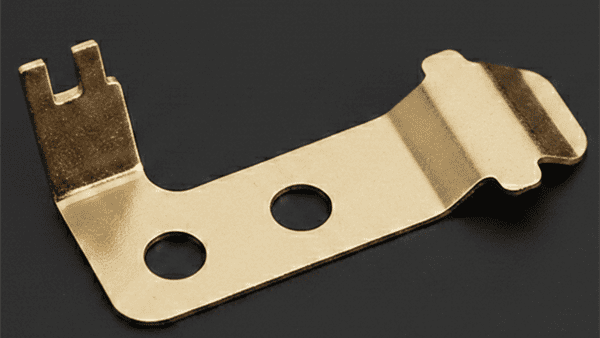
Electrical Contacts
High conductivity requirements for reliable electrical connections
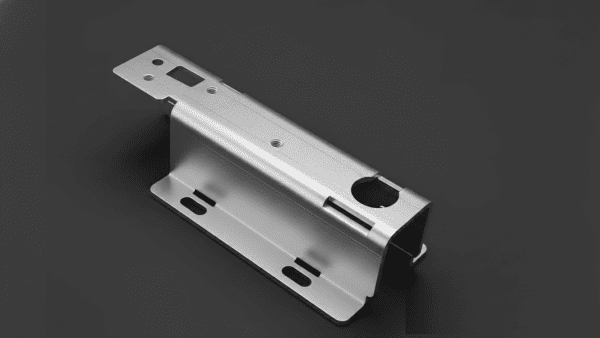
Brackets and Clips
Structural components requiring strength and formability
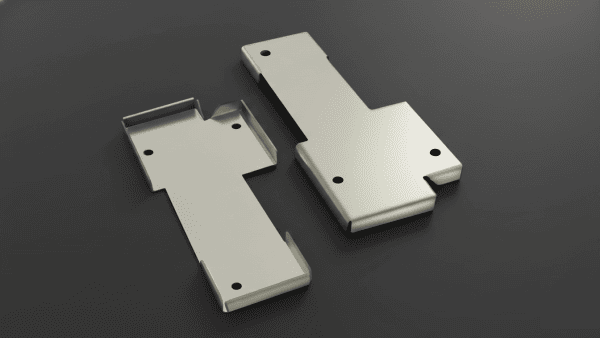
Shielding Parts
EMI/RFI shielding requiring conductivity and formability
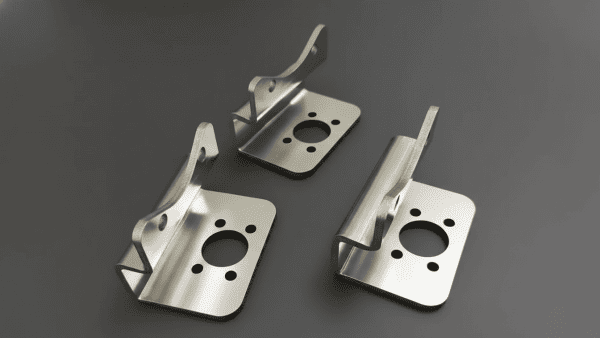
Spring Features
Components requiring elastic deformation and memory
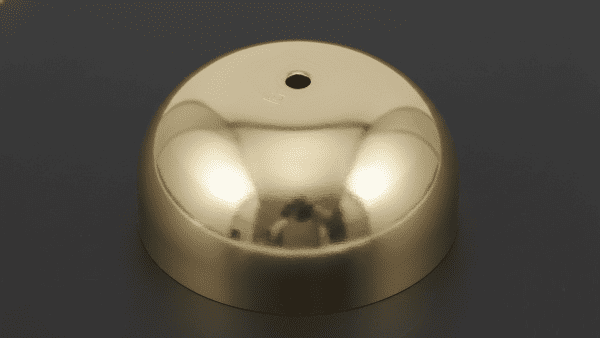
Decorative Stamped Parts
Aesthetic components requiring excellent surface finish
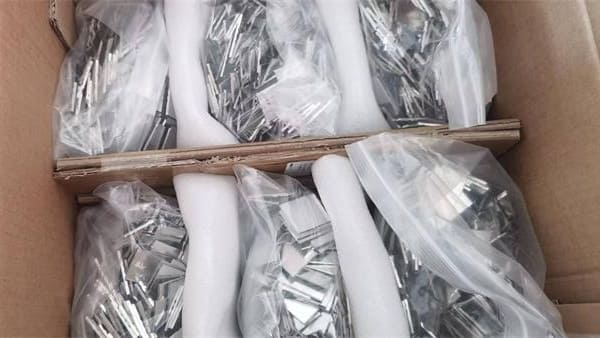
High-Volume Industrial
Mass production components prioritizing cost and consistency
Surface Finishes for Stamped Parts
Enhance performance, appearance, and durability with appropriate surface treatments
Zinc Plating
Cost-effective corrosion protection for steel parts
Nickel Plating
Superior corrosion resistance and wear properties
Tin Plating
Excellent solderability for electronic applications
Passivation
Enhanced corrosion resistance for stainless steel
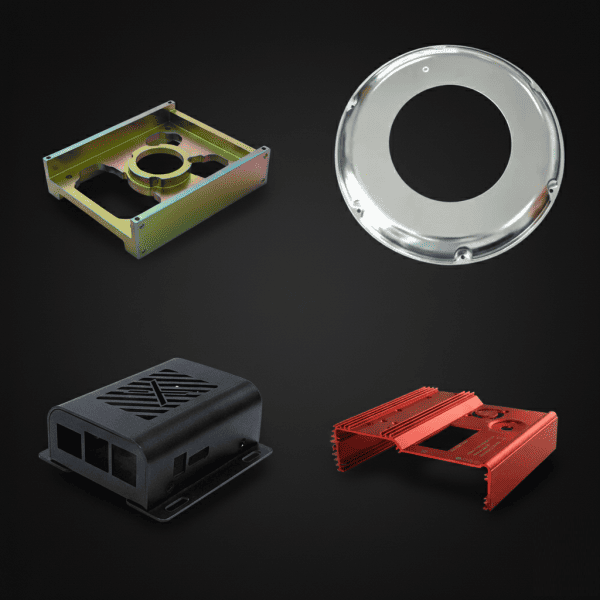
Additional Coating Options
Common Questions About
Metal Stamping Materials
How do I choose between cold rolled steel and stainless steel for my stamping project?
Choose cold rolled steel for cost-effective, high-volume production where corrosion resistance isn't critical. Stainless steel is better for food-grade, medical, or marine applications requiring corrosion resistance. Consider that stainless steel has higher springback and material costs, but offers superior durability and appearance.
What material thickness ranges work best for metal stamping?
Most metal stamping operations work well with materials from 0.1mm to 6mm thick. Thinner materials (0.1-1mm) are ideal for electronics and small clips, while thicker materials (2-6mm) suit structural brackets and automotive components. Material choice affects minimum bend radius and achievable feature sizes.
Can aluminum be used for high-volume stamping applications?
Yes, aluminum is excellent for high-volume stamping, especially grades 1100, 3003, and 5052. It offers good formability, lightweight properties, and natural corrosion resistance. Consider using specialized tooling coatings to prevent galling and ensure consistent part quality at production volumes.
How does material grain direction affect stamping quality?
Grain direction significantly affects formability, springback, and edge quality. Parts should be oriented to take advantage of the material's rolling direction for critical bends. Cross-grain bending may cause cracking in brittle materials, while parallel-grain bending typically produces smoother edges and better dimensional control.
What surface treatments are recommended for electrical contact applications?
For electrical contacts, tin plating offers excellent solderability and conductivity. Silver plating provides the best conductivity but is more expensive. Gold plating is used for high-reliability applications. Nickel plating can serve as an underplate for other finishes. Choose based on current requirements, environmental conditions, and cost targets.
How do I minimize springback in high-strength steel stamping?
Minimize springback through proper die design with overbending compensation, using smaller bend radii where possible, implementing coining operations, and considering stress relief heat treatments. Progressive die designs can also help by controlling material flow and stress distribution throughout the forming process.
Related Resources
Explore more manufacturing insights and capabilities
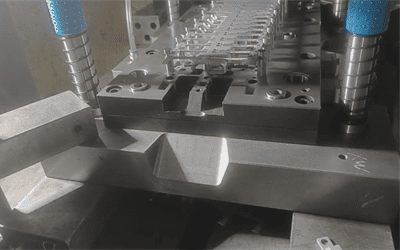
Progressive Die Design for Metal Stamping
Learn how to design efficient progressive dies for high-volume production with optimal material utilization.
Read More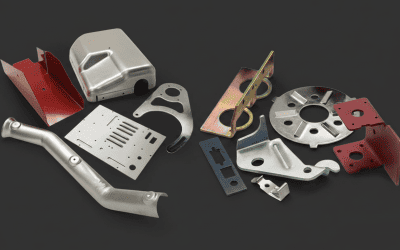
Complete Guide to Metal Surface Treatments
Comprehensive overview of plating, coating, and finishing options for manufactured metal components.
Read More
Design for Manufacturing Guidelines
Essential DFM principles for optimizing part designs for efficient and cost-effective production.
Read More
Let's Bring Your Design
to Manufacturing Reality
Upload your CAD files today and receive a detailed quote with DFM analysis within 24 hours. From Australia to Europe, we're your trusted manufacturing partner.
Need Help Choosing the
Right Stamping Material?
Submit your drawings, target annual volume, surface treatment requirements, and functional specifications. Our engineering team will recommend the optimal material and manufacturing approach for your project.