
From CAD to
Physical Prototype
in Days
Transform your designs into high-precision prototypes with our advanced CNC machining, 3D printing, and rapid tooling services. Perfect for design validation and functional testing.
Prototype Options
Choose the optimal prototyping method for your project requirements. From rapid concept validation to functional testing, we offer comprehensive solutions.
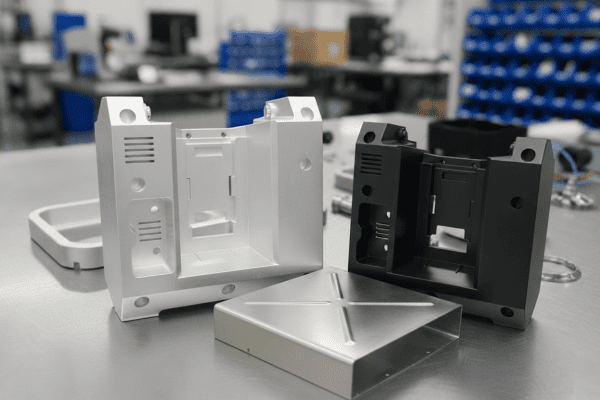
CNC Prototyping
High-precision metal and plastic prototypes machined from production-grade materials. Perfect for functional testing and design validation with ±0.005mm accuracy.
- Aluminum, Steel, Titanium, Engineering Plastics
- 3-5 axis machining capabilities
- 5-12 day turnaround
3D Printing
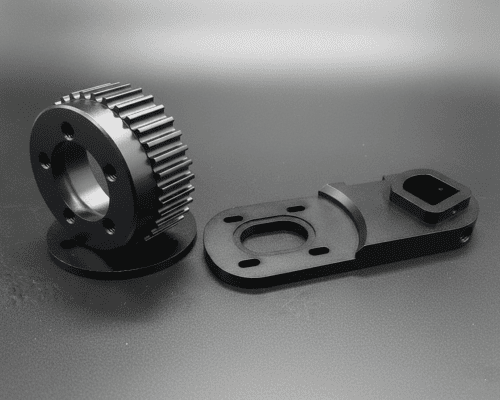
Rapid prototyping with SLA, SLS, and FDM technologies. Ideal for complex geometries and quick design iterations with multiple material options.
- Resin, Nylon, ABS, PLA materials
- Complex internal geometries
- 2-5 day turnaround
Rapid Tooling
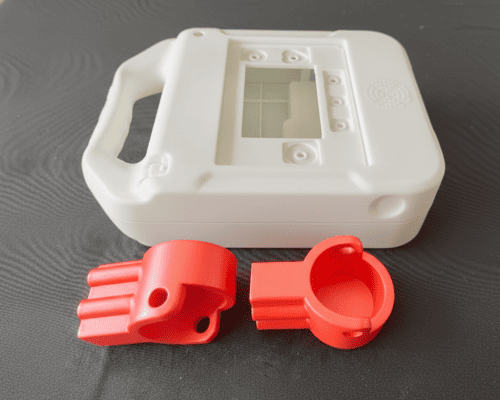
Quick-turn injection mold tooling for low-volume production runs. Bridge the gap between prototyping and full production with aluminum tooling.
- Aluminum mold construction
- 100-10,000 part volumes
- 15-25 day tooling lead time
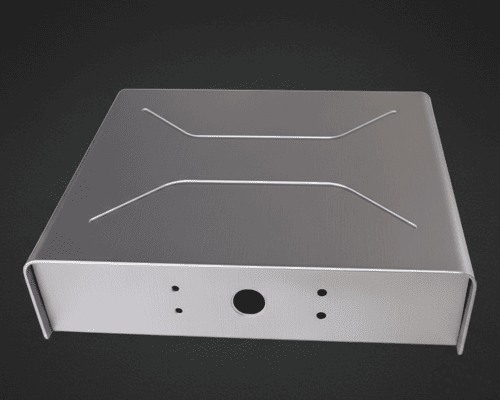
Sheet Metal Prototypes
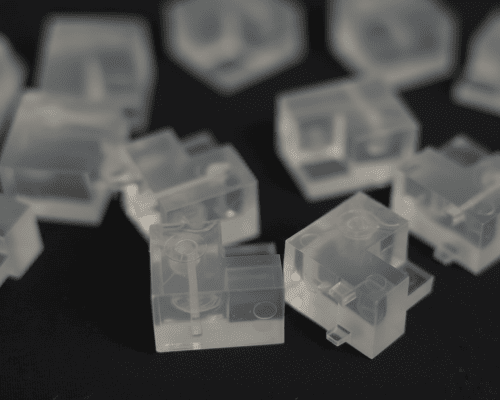
Laser-cut and formed sheet metal prototypes for enclosures, brackets, and structural components. Complete with welding and finishing services.
- Steel, Stainless Steel, Aluminum
- Laser cutting, bending, welding
- 7-12 day turnaround
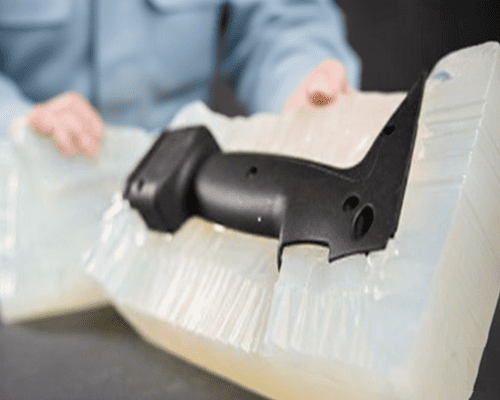
Vacuum Molding
Cost-effective thermoforming for large plastic parts and low-volume production. Perfect for housings, covers, and packaging applications.
- ABS, PETG, Acrylic sheets
- Large part capabilities
- 5-8 day turnaround
Technology Selection Matrix
Compare manufacturing methods to find the optimal solution for your project requirements and budget.
| Technology | Delivery Time | Cost Range | Material Range | Precision | Surface Finish | Quantity |
|---|---|---|---|---|---|---|
|
CNC Machining
Precision subtractive manufacturing
|
5-12 Days
Standard lead time
|
$$-$$$
Medium to high
|
Al, Steel, Ti
PEEK, POM
|
±0.005mm
Excellent
|
Ra 0.8-6.3μm
Machined finish
|
1-1000
Low to medium
|
|
3D Printing
Additive manufacturing
|
1-3 Days
Fastest option
|
$-$$
Low to medium
|
Resin, Nylon
ABS, PLA
|
±0.2mm
Good
|
Layer visible
Post-processing
|
1-100
Prototyping
|
|
Vacuum Molding
Silicone mold casting
|
5-10 Days
Mold + parts
|
$$
Medium cost
|
PU resins
Flexible TPU
|
±0.3mm
Fair
|
Smooth
Paintable
|
10-50
Small batch
|
|
Rapid Tooling
Soft tool injection molding
|
2-3 Weeks
Tool + parts
|
$$$
High upfront
|
Production
plastics
|
±0.1mm
Good
|
Injection
molded finish
|
100-1000
Bridge production
|
|
Sheet Metal
Laser cut & formed
|
5-7 Days
Cut & finish
|
$-$$
Low to medium
|
Steel, SS
Aluminum
|
±0.1mm
Good
|
Powder coat
Anodizing
|
1-1000
Very scalable
|
Choose the Right Technology
Design Tips for Fast Prototypes
Optimize your design for rapid manufacturing with these DFM guidelines to reduce lead times and costs.
CNC Machining
Injection Molding
Sheet Metal
Need Detailed DFM Analysis?
Our engineering team provides comprehensive Design for Manufacturing feedback to optimize your designs for cost, quality, and speed.
Get Free DFM ReviewComplete Prototype Deliverables
From initial prototype validation to seamless production transition, we deliver comprehensive documentation and engineering support at every stage.
Prototype Deliverables
Production Transition
Low-Volume Production
Seamless Prototype-to-Production Workflow
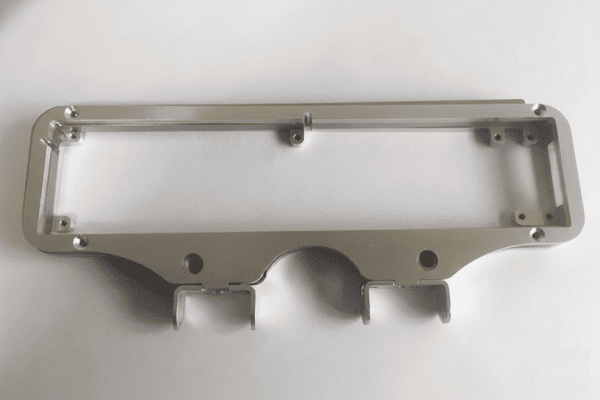
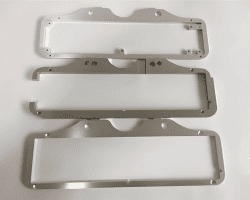
Case Study: Orthodontist Prototypes
How we delivered precision orthodontic components with exceptional speed and quality for a medical device innovator.
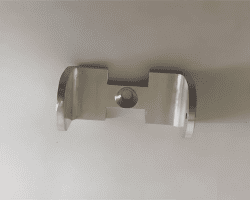
Challenge
Medical device startup needed reliable orthodontic prototypes with fast turnaround and competitive pricing.
Solution
- Precision CNC machining with medical-grade tolerances
- Custom bending operations for complex geometries
Results
Delivered 12 precision prototypes in 10 days, enabling rapid development of orthodontic devices.
Prototype Manufacturing FAQs
Get answers to common questions about CNC prototyping, materials, tolerances, and lead times.
Should you choose CNC prototyping or 3D printing?
What tolerances can rapid prototypes typically achieve?
Can prototypes be made in the same material as production?
What are the main factors that affect prototype lead time?
When does rapid tooling make sense for prototyping?
What should you provide to reduce rework and get a "right-first-time" prototype?
Ready to Start Your
Prototype Project?
Upload your CAD files and receive a detailed quote with DFM analysis within 24 hours.