
Materials
for
Precision
Manufacturing
Compare metals, plastics, elastomers, and additive materials for CNC machining, injection molding, sheet metal fabrication, metal stamping, and 3D printing -- with guidance on strength, cost, machinability, forming behavior, finish options, and production fit.
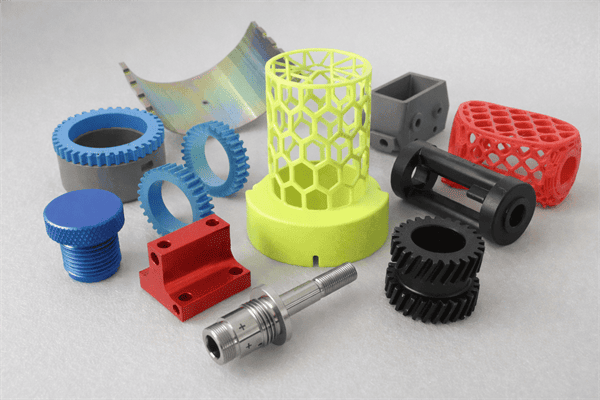
Material Options
Explore our comprehensive range of materials organized by manufacturing process
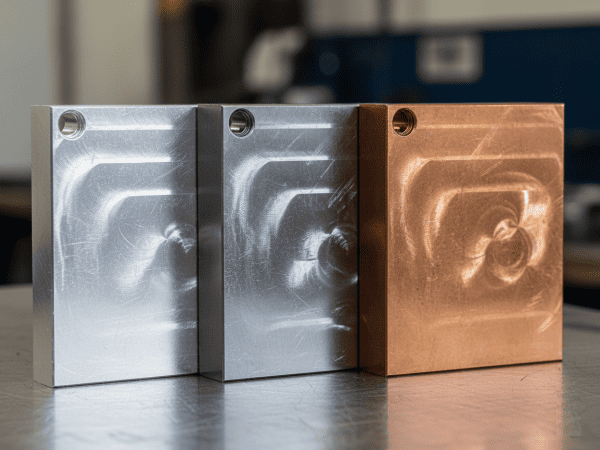
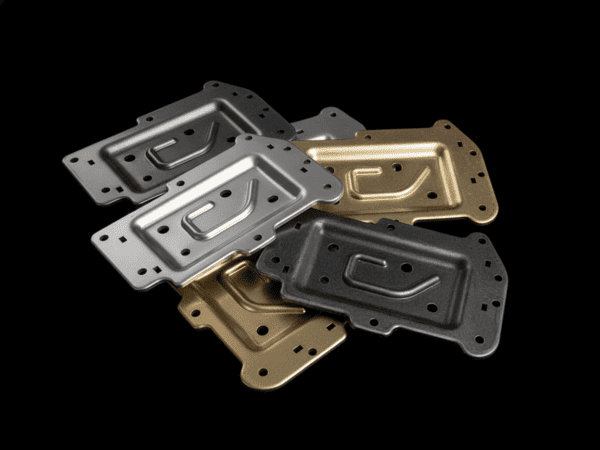
Metal Materials
- Aluminum
- Steel, Stainless Steel
- Brass, Bronze, Copper
- Titanium, Tungsten, Invar
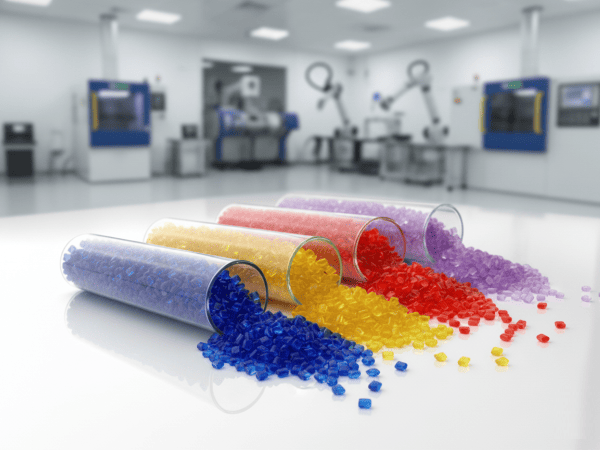
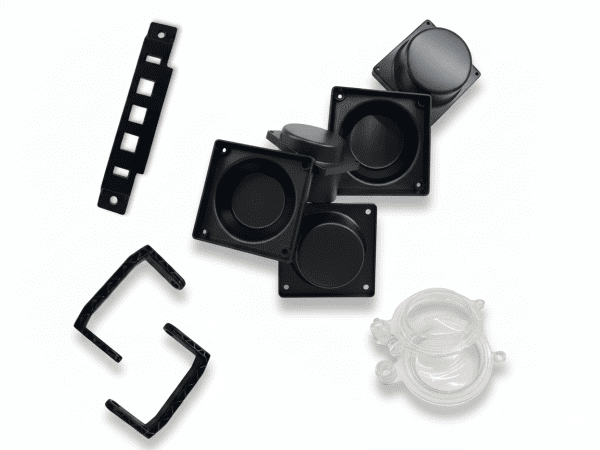
Plastic
- ABS, POM (Delrin)
- PA (Nylon), PC (Polycarbonate), Polypropylene (PP)
- PMMA (Acrylic), PVC, PTFE (Teflon)
- PEEK, High-performance plastics
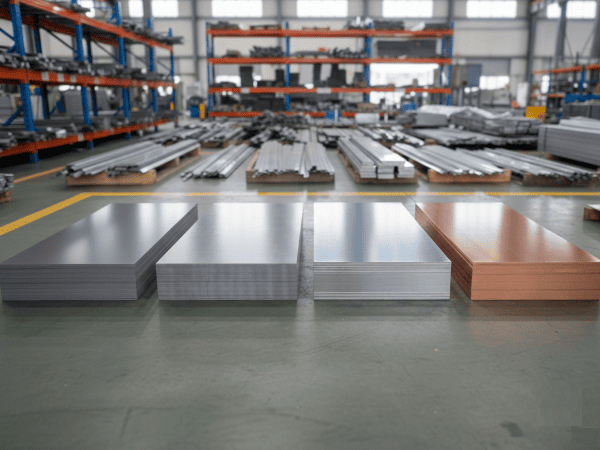
Material Guides
Comprehensive material specifications and properties for informed selection
Aluminum Alloys
Lightweight, corrosion-resistant metal ideal for precision machining
Stainless Steel
Corrosion-Resistant, versatile steel for a wide range of demanding applications
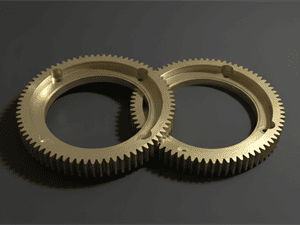
Brass
Excellent machinability and corrosion resistance for complex parts and attractive finishes
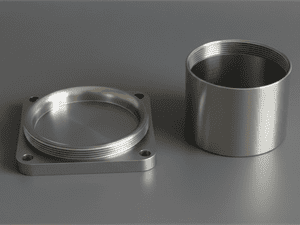
Titanium
High strength-to-weight ratio and high biocompatibility for demanding precision parts
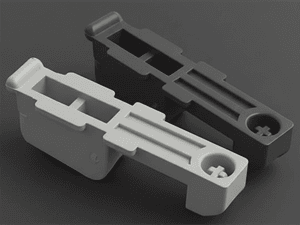
ABS
Impact-resistant, stable, and easy to process for durable plastic parts.
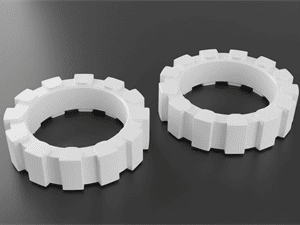
POM (Delrin)
High strength engineering plastic with excellent dimensional stability
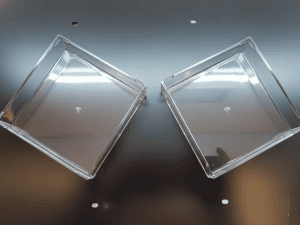
PC (Polycarbonate)
Tough, transparent, and dimensionally stable for durable functional parts
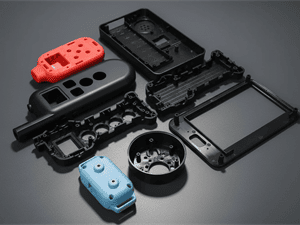
PP (Polypropylene)
Lightweight, chemical-resistant, and flexible for versatile plastic parts
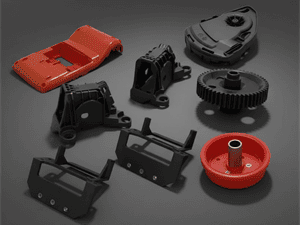
PA (Nylon)
Strong, wear-resistant, and durable for demanding engineering parts
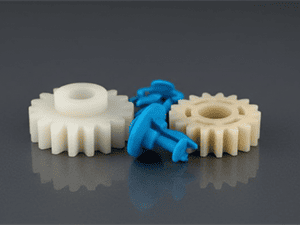
HDPE
Lightweight, impact-resistant, and chemical-resistant for durable plastic parts
Material Selection DFM Guidelines
Our engineering team provides comprehensive Design for Manufacturing guidance to optimize your material selection for cost, performance, and manufacturability.
Material Compatibility Analysis
We analyze your design requirements against material properties to recommend optimal selections for your specific application.
Cost Optimization
Balance performance requirements with cost considerations through material grade selection and design modifications.
Manufacturing Process Optimization
Recommend manufacturing processes and material combinations that reduce lead times and improve quality.
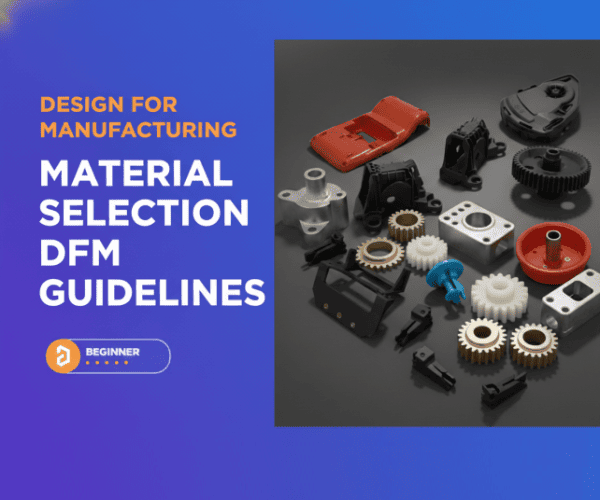
Find the Right Material
Find the right material for your specific industry and use case
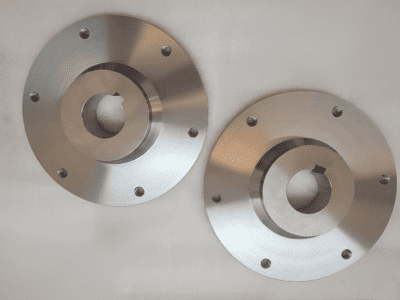
Top Corrosion-Resistant Metals
Discover the best metals for marine, chemical, and outdoor applications that resist rust and corrosion.
Learn More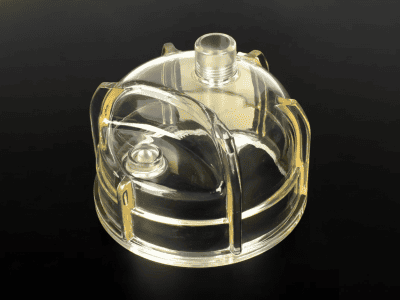
How to Choose Heat Resistant Plastics
Complete guide to selecting plastics that withstand high temperatures in automotive and industrial applications.
Learn More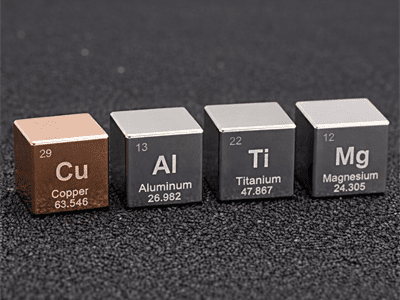
Lightweight Metals for Aerospace
Titanium vs Aluminum: Which lightweight metal is best for your high-performance application?
Learn More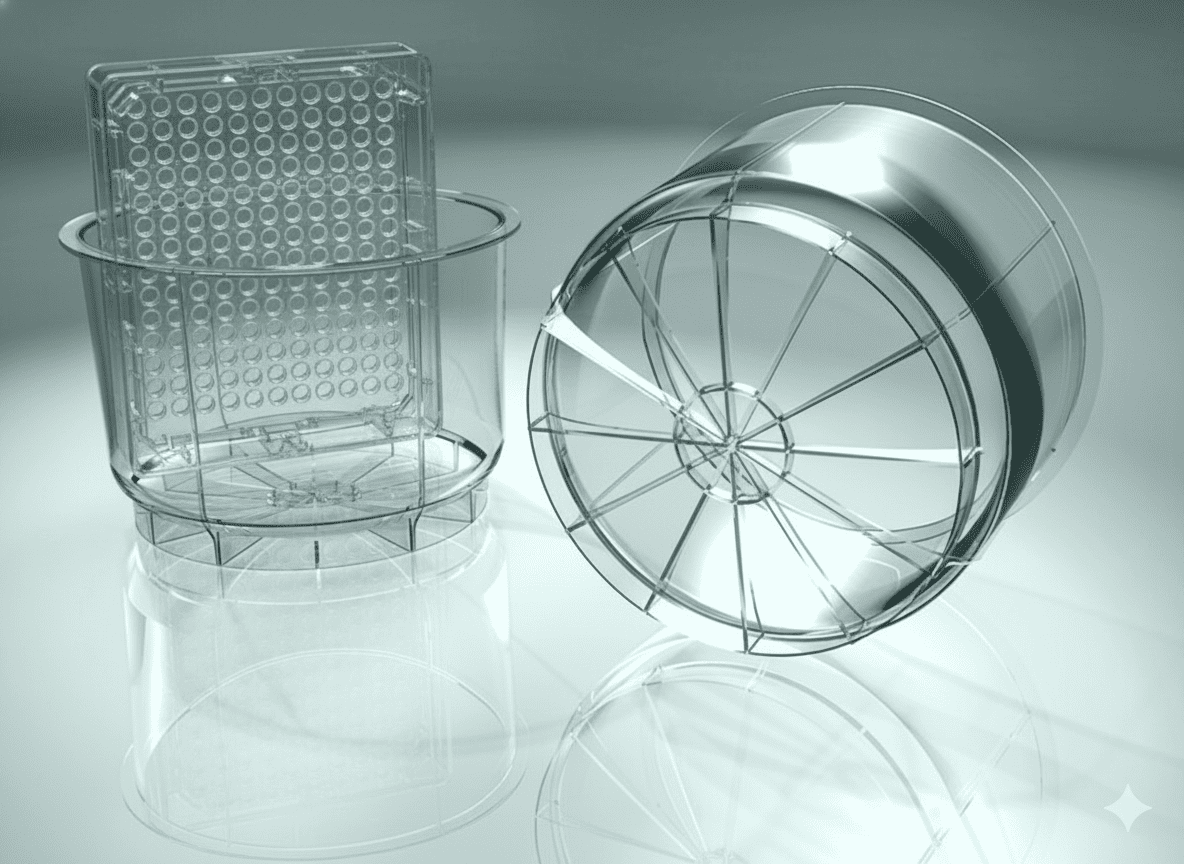
Medical Grade Materials Guide
Essential biocompatible materials for medical devices, implants, and surgical instruments.
Learn More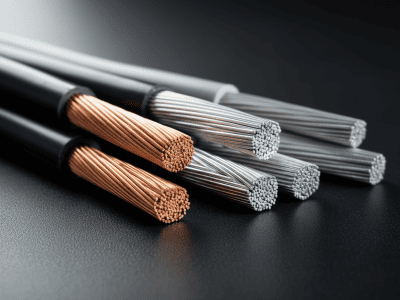
Best Conductive Materials
Copper, silver, and aluminum: Choose the right conductive material for electronics and electrical applications.
Learn More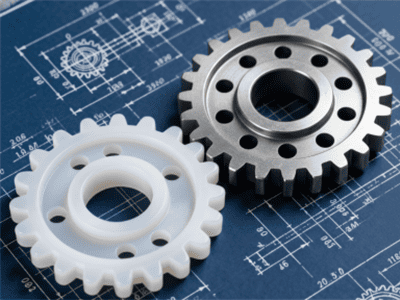
Engineering Plastics vs Metal
When high-strength plastics like PEEK and POM can replace metal parts in demanding applications.
Learn More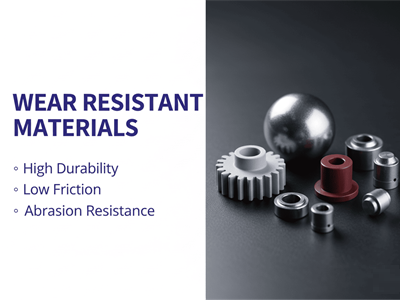
Wear Resistant Materials
Tool steels and hardened alloys for high-wear applications like tooling, dies, and industrial equipment.
Learn More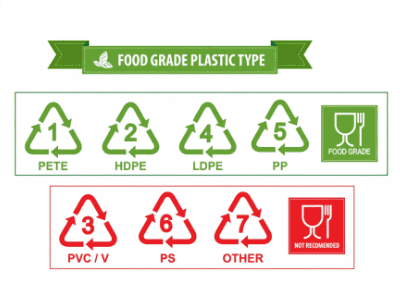
Food Safe Materials Guide
FDA-approved materials for food processing equipment, packaging, and kitchen appliance components.
Learn More
Budget-Friendly Material Options
Cost-effective materials that don't compromise quality for prototyping and high-volume production.
Learn MoreMaterial Selection FAQ
Common questions about materials and manufacturing processes
How do I choose the right material for my application?
Material selection depends on several factors including mechanical requirements (strength, stiffness), environmental conditions (temperature, chemicals), manufacturing process compatibility, cost constraints, and regulatory requirements. Our engineering team provides free DFM analysis to help you select the optimal material for your specific application.
What's the difference between 6061 and 7075 aluminum?
6061 aluminum offers excellent machinability, weldability, and corrosion resistance, making it ideal for general-purpose applications. 7075 aluminum provides higher strength (nearly twice that of 6061) but is more expensive and less corrosion-resistant. Choose 6061 for cost-effective, general applications and 7075 for high-stress aerospace or performance applications.
Can you source specialty materials not listed here?
Yes, we can source a wide range of specialty materials including exotic alloys, high-performance plastics, and certified materials for specific industries. Our procurement team works with qualified suppliers worldwide to source materials that meet your exact specifications, including material certificates and traceability documentation.
What material certificates do you provide?
We provide mill test certificates (MTCs) for all metallic materials, which include chemical composition and mechanical properties. For plastics, we provide material data sheets and compliance certificates (RoHS, REACH, FDA, USP Class VI) as required. Additional testing and certification can be arranged for critical applications.
How does material choice affect lead time and cost?
Common materials like aluminum 6061, steel, and standard plastics are typically in stock, offering shorter lead times and lower costs. Specialty alloys, high-performance plastics, or non-standard sizes may require special ordering, adding 1-2 weeks to lead time. Material cost varies significantly - aluminum and plastics are generally most economical, while titanium and specialty alloys command premium pricing.
What surface finishes are recommended for different environments?
For outdoor/marine environments, choose anodizing for aluminum or powder coating for steel. For medical applications, passivation for stainless steel or biocompatible coatings are preferred. Electronics applications benefit from conductive finishes or EMI shielding. Our finishing guide provides detailed recommendations based on your specific environmental requirements and performance needs.
Get Expert Material
Recommendations & Instant Quotes
Upload your CAD files and receive detailed material recommendations with DFM analysis and competitive pricing within 24 hours. Our engineering team will optimize your design for manufacturability and cost.